🟢 Secure Hardware Wallet Setup & Complete User Guide
Using a hardware wallet is one of the safest ways to store and manage cryptocurrency. This guide explains how desktop and web-based wallet software works with a hardware device to keep private keys offline while allowing users to send, receive, and monitor digital assets securely.
Understanding Hardware Wallet Security
Hardware wallets protect digital assets by isolating private keys from internet-connected devices. Even if a computer is infected with malware, the keys never leave the hardware device, making unauthorized access extremely difficult.
Desktop and Web Wallet Software Explained
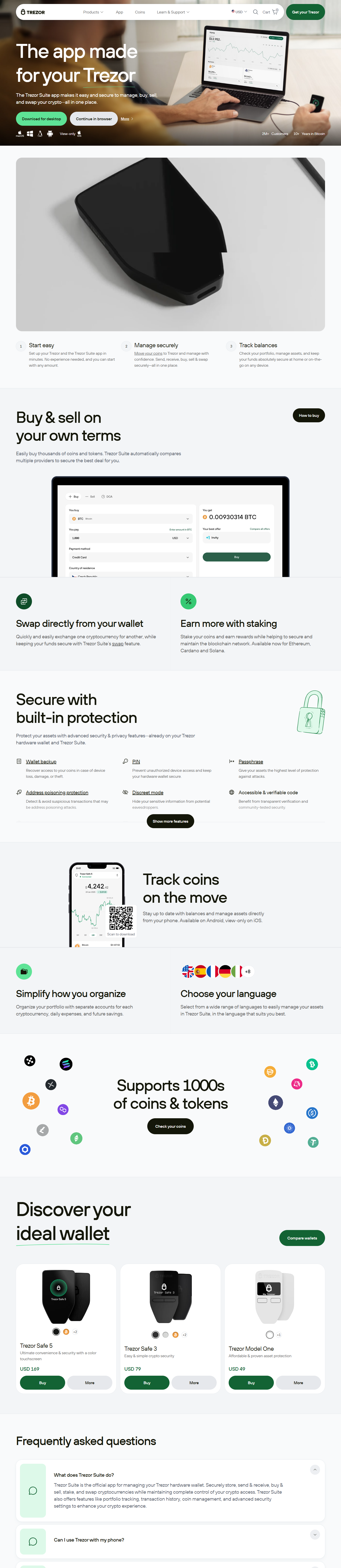
Wallet software acts as a control panel for the hardware device. It allows users to view balances, create transactions, and manage accounts, while the hardware wallet confirms every sensitive action physically.
Desktop Software
Desktop applications provide a local and stable environment. They are recommended for long-term users and higher balances due to increased control and reduced exposure to browser-based risks.
Web Interface
Web wallets offer quick access and convenience. Users must always verify official URLs and avoid using public or shared systems to maintain security.
Initial Wallet Setup Process
Connect the hardware wallet to your computer
Install or open the official wallet interface
Create a new wallet on the device itself
Generate a recovery phrase offline
Verify each word directly on the hardware screen
This process ensures full ownership from the start.
Recovery Phrase: The Most Important Step
The recovery phrase is the only way to restore access to funds if the device is lost or damaged.
Best practices include:
Writing the phrase on paper
Storing it in a secure offline location
Never saving it digitally
Never sharing it with anyone
If compromised, assets can be permanently lost.
Managing Cryptocurrency Safely
The wallet dashboard allows users to:
Check balances
Review transaction history
Create and confirm transfers
All outgoing transactions require physical confirmation on the device, preventing unauthorized transfers.
Multi-Asset Support
Modern wallet software supports multiple cryptocurrencies within a single interface. This allows users to manage different assets securely without installing multiple applications.
Privacy and Full Ownership
No personal accounts, emails, or identity verification are required. Users interact directly with blockchain networks while maintaining full custody of their assets at all times.
Common Errors to Avoid
Entering recovery phrases online
Downloading unofficial software
Ignoring device verification prompts
Using unsecured public computers
Avoiding these mistakes greatly reduces risk.
Long-Term Security Tips
Keep recovery phrases offline and protected
Use desktop software for significant holdings
Regularly update wallet software from official sources
Verify transaction details on the hardware screen
Conclusion
A properly configured hardware wallet combined with trusted desktop or web software offers one of the highest levels of cryptocurrency security. By following correct setup procedures and best practices, users can confidently manage digital assets with full control, privacy, and long-term protection.